
Youth Turn to Street Food Business as Unemployment Rises
2 min read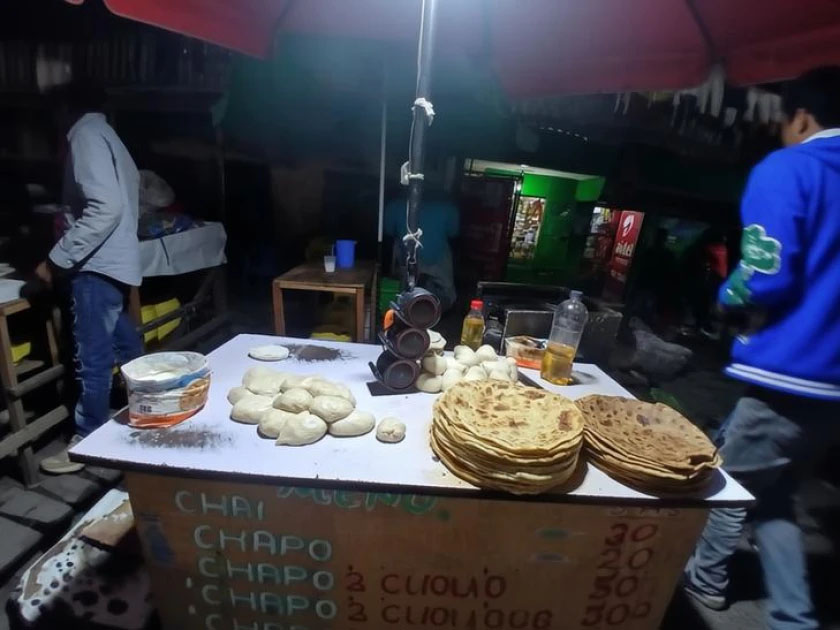
Many young people in Kenya are now starting small businesses to survive as jobs become harder to find.
Across different towns, especially in Nairobi, youth are turning to hustles like hawking, running small kiosks, and selling food by the roadside. One of the most common businesses today is chapati making and selling.
In areas like Pipeline in Nairobi County, many young people have joined the chapati business as a way to earn a living and cope with the high cost of life.
Charles Mutungi, who has been selling chapatis for about three years, says the business is easy to start and does not require a lot of money.
He explains that with simple ingredients like flour, cooking oil, and water, anyone can begin. The skills are also easy to learn, making it attractive to many unemployed youth.
“This business is not hard to start. You only need a good place and basic ingredients,” he says.
Chapati is a popular food in Kenya because it is affordable and loved by many people. Customers include workers going to their jobs early in the morning, families looking for cheap meals, and small traders.
Most vendors wake up very early to prepare chapatis so they can serve customers heading to work.
“I usually wake up early because most of my customers are going to work,” Mutungi says. “Chapati is something almost everyone can afford.”
For many of these traders, this is their only source of income. The money they make helps them pay rent, buy food, and even support their children’s education.
Justus Mainga, another vendor, says on a good day, he earns enough to take care of his family and pay school fees.
However, the business is not without challenges. Many traders complain about harassment from county askaris, also known as “kanjos.” Since most of them do not have licenses, they are often chased away, their equipment taken, or asked to pay bribes.
“We are always careful because they can come anytime and ask for money,” says Gerald Kamau. “Sometimes it feels like we are playing hide and seek.”
At the same time, the rising prices of basic items like flour and cooking oil are making it harder for them to run the business. Higher costs mean less profit and fewer customers.
The traders are now asking the government to support them by making licenses affordable and protecting them from harassment so they can work peacefully and grow their businesses.
 Click to Join Our WhatsApp Channel