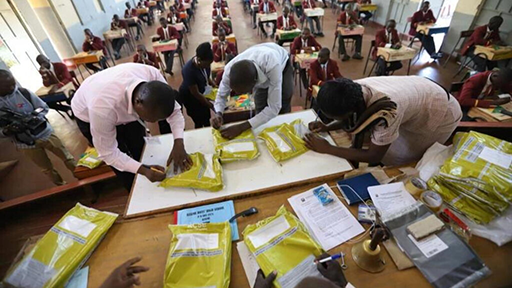
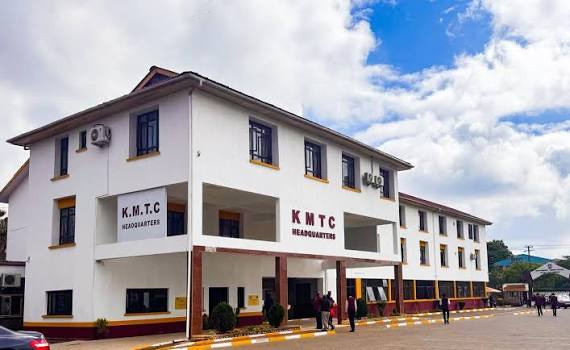
The Kenyan government has increased funding for university students and scholarships in the 2026/27 financial year despite pressure on the country’s budget.
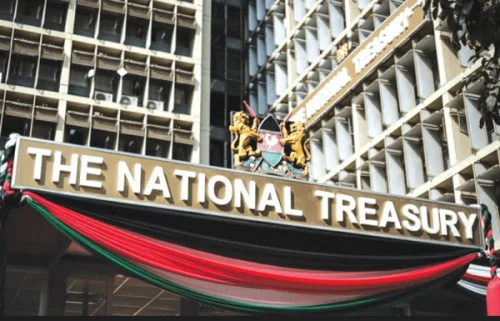
According to the National Treasury, the education sector received the biggest share of the national budget at Ksh668.3 billion. The government says the money will help improve access to education and support students struggling with the high cost of learning.
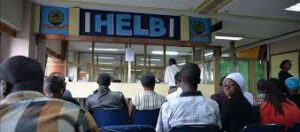
One of the biggest allocations went to the Higher Education Loans Board (HELB). The government set aside Ksh56.7 billion to support university and college students through loans.
This is an increase from the Ksh41 billion allocated in the 2025/26 financial year. The rise shows that more students are applying for financial support as university fees continue to increase.
The government also allocated Ksh30.9 billion for university scholarships. Students in Technical and Vocational Education and Training (TVET) institutions will receive Ksh9.2 billion in scholarship support.
Officials say the funding is meant to reduce the burden on families and help more learners continue with their studies.
Apart from student loans and scholarships, universities will also benefit from other allocations. The government has set aside Ksh6.6 billion under the Differentiated Unit Cost (DUC) programme to support university operations.
Another Ksh6.68 billion will be used to clear pending salary arrears for university staff under the 2021–2025 Collective Bargaining Agreement (CBA).
Universities will also receive Ksh4.7 billion for infrastructure projects and Ksh1.2 billion for research, science, technology and innovation.
The education sector also received funding for basic education programmes. Free Day Secondary Education was allocated Ksh54.6 billion, Junior Secondary School received Ksh30.9 billion, while Free Primary Education was allocated Ksh7 billion.
Even with the increased education funding, the government is still facing a major budget deficit. Kenya continues to spend heavily on debt repayment, infrastructure and social programmes, putting pressure on public finances.
At the same time, HELB has continued with efforts to recover unpaid loans from graduates.
Towards the end of 2025, HELB increased loan recovery measures by working closely with private sector employers. The move led to higher repayments from some defaulters.
HELB Chief Executive Officer Geoffrey Monari said professionals working in the private sector are among the biggest loan defaulters. These include doctors, lawyers, accountants and engineers.
According to HELB records, only 11 per cent of accountants who benefited from HELB loans are currently repaying. Out of 20,420 accounts, only 2,420 are active while nearly 18,000 remain in default.
Doctors are also among the leading defaulters. Out of 11,501 practising doctors, only 2,115 are repaying their loans. HELB says many graduates who completed studies over 20 years ago still owe billions of shillings.
Among lawyers, only 2,644 out of more than 23,000 beneficiaries have repaid their loans.
In engineering, only 1,594 out of 24,803 beneficiaries have completed repayment, while less than 1,000 are actively servicing their loans.
The government hopes the increased funding for HELB and scholarships will help more students access higher education as the cost of living and university fees continue to rise in Kenya.

 Click to Join Our WhatsApp Channel