Fuel Shortage Crisis Hits Kenya, Petrol Stations Begin Rationing
2 min read
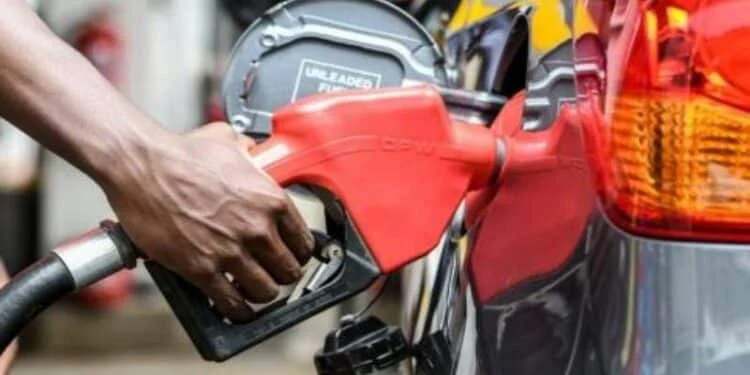
Kenyans may soon face difficulties getting fuel after reports emerged that some petrol stations have started limiting how much customers can buy. In some areas, especially outside major towns, fuel is already becoming hard to find.
Several fuel distributors are said to be running low on stock, raising concerns that the situation could get worse if new shipments delay.
The Chairman of the Petroleum Outlets Association of Kenya, Martin Chomba, revealed in an interview with Bloomberg that rural areas are already feeling the impact more strongly.
According to him, a number of petrol stations in villages have temporarily shut down because they have no fuel left.
He explained that major suppliers have started rationing fuel, which has led to shortages in some parts of the country.
If the situation continues, it could affect key sectors of the economy. Transport costs may rise, businesses could slow down, and prices of basic goods might increase.
Kenya depends fully on imported fuel, using about 100,000 barrels every day. All fuel enters the country through Port of Mombasa. By law, importers are only required to keep enough fuel to last 21 days.
Experts warn that if even one shipment is delayed due to the ongoing conflict in the Middle East, the country could face a serious fuel crisis within weeks.
The problem is not only affecting Kenya. Many African countries rely on fuel imports that pass through the Strait of Hormuz, which is currently disrupted due to the war.
At the same time, richer countries are competing for the limited fuel available, making it harder for developing nations like Kenya to secure enough supply.
This situation comes just days after the government assured citizens that there was enough fuel in the country. On March 13, Energy Cabinet Secretary Opiyo Wandayi said the government was working closely with international suppliers to avoid shortages.
Meanwhile, the Energy and Petroleum Regulatory Authority (EPRA) recently announced that fuel prices would remain unchanged for the period between March 15 and April 14, 2026.
During this time, Super Petrol will retail at Ksh178.28 per litre, Diesel at Ksh166.54, and Kerosene at Ksh152.78.
Although the stable prices offer temporary relief, there are growing concerns that both supply shortages and rising global demand could soon push fuel prices higher.
 Click to Join Our WhatsApp Channel