
Finance Bill 2026: Concerns as Treasury Proposes Ksh100,000 Tax Penalties
2 min read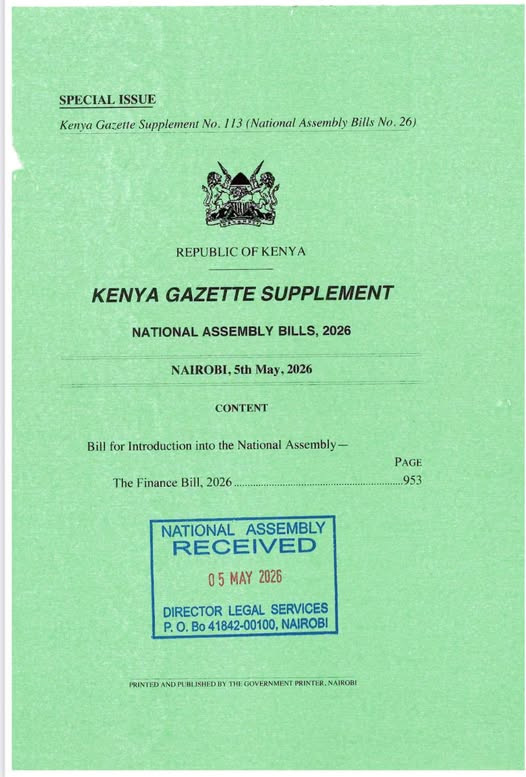
The proposed Finance Bill 2026 has raised concern among taxpayers and financial experts after the government suggested tougher tax rules and heavy penalties for non-compliance.
Under the new proposals, Kenyans may have less time to submit tax complaints and appeals if Parliament approves the bill.
The National Treasury wants to change Section 77(2) of the tax law by removing the rule that excludes weekends and public holidays when counting days for filing objections and appeals.
If the proposal becomes law, all days, including Saturdays, Sundays, and public holidays, will be counted when calculating tax deadlines.
Experts say this may reduce the time available for taxpayers to prepare documents and submit complaints, especially during weekends and holiday periods.
Financial advisory firm PricewaterhouseCoopers (PwC) warned that the move could disadvantage many taxpayers.
According to PwC, people and businesses involved in tax disputes may struggle to meet the deadlines because of limited time for collecting documents, seeking approvals, or consulting advisers.
The firm also warned that some disputes could be decided on technicalities rather than the actual issues involved.
PwC noted that a similar proposal was introduced before under the Finance Act 2024, but did not pass.
The advisory firm said bringing back the proposal again raises concerns about consistency and stability in Kenya’s tax dispute process.
The Finance Bill 2026 also proposes tougher penalties for failing to follow electronic tax system requirements.
Under the proposed changes to Section 86, the Commissioner could impose a fine of Ksh100,000 or twice the amount of tax due if a person fails to issue an electronic tax receipt and gives an explanation considered unsatisfactory.
However, PwC warned that the penalties may be too harsh, especially for businesses facing small mistakes or technical system problems.
Analysts said the proposed minimum penalty of Ksh100,000 could expose taxpayers to huge financial losses even when little or no tax is involved.
 Click to Join Our WhatsApp Channel