
How Much Politicians Spend on Major Rallies in Kenya and What Mobilizers Earn
3 min read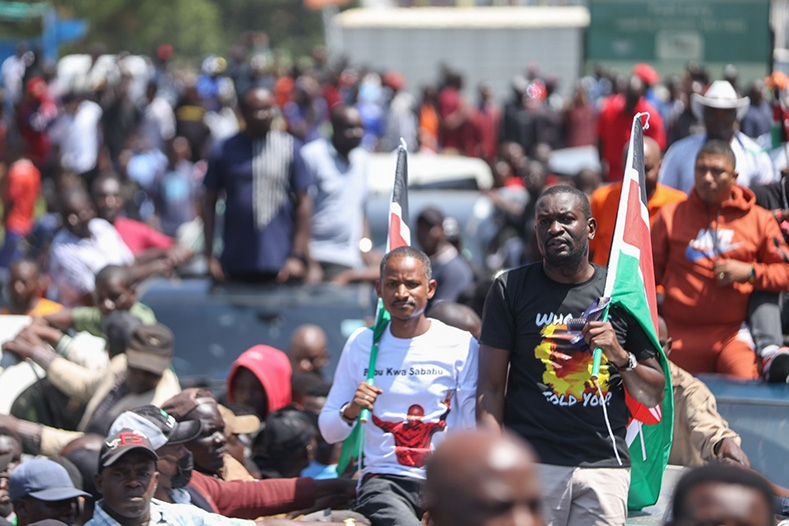
The Cost of Power: How Much Politicians Spend on Major Rallies in Kenya and What Mobilizers Earn
Political rallies in Kenya continue to shape the country’s campaign culture ahead of the 2027 general election. Even for what many insiders describe as a “normal” mobilization event — such as the Linda Mwananchi–style rallies being witnessed in different regions — the financial outlay can still run into millions of shillings.
While the scale may be smaller than a full presidential mega-tour, organizing a mid-level political rally still requires careful planning, grassroots coordination, and steady cash flow to ensure visible public support.
How Much Politicians Spend on Major Rallies
For a typical political rally similar to recent Linda Mwananchi mobilization events, political strategists estimate the budget often ranges between KSh 2 million and KSh 15 million, depending on the location, expected crowd size, and the profile of the visiting leader.
In urban centres and politically competitive regions, the costs tend to rise due to higher transport demands and the need to demonstrate strong public enthusiasm. A large portion of the budget usually goes into transport logistics, sound systems, branding materials, local coordination, and crowd facilitation.
Most politicians do not handle these logistics directly. Instead, funds are commonly distributed through trusted local networks, including MPs, MCAs, ward coordinators, and grassroots mobilizers who work to ensure the venue appears fully packed.
Common Payment Rates for Mobilizers and Crowds
Individual Crowd Attendees
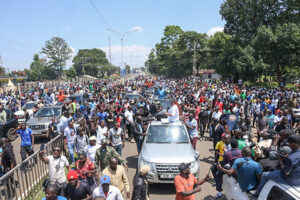
At the grassroots level, ordinary supporters remain the backbone of rally attendance. For a standard rally in the current political environment, many attendees receive between KSh 300 and KSh 1,000 as facilitation, depending on the region and the urgency of mobilization.
In some hotspots where political competition is intense, the amount can climb slightly higher. Supporters may also be provided with free transport, branded T-shirts, caps, and light refreshments. However, payment disputes are common, with some attendees reporting they were promised more than they eventually received.
Boda Boda Riders
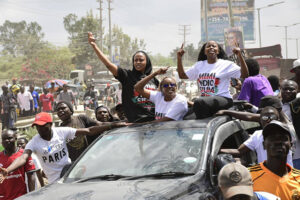
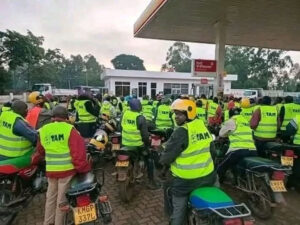
Boda boda operators play a visible role in Kenya’s political theatre, especially during convoy arrivals. For a normal mid-scale rally, riders are typically paid between KSh 1,500 and KSh 3,000 to transport supporters and accompany political motorcades.
Because dozens — sometimes hundreds — of riders may be hired, boda boda mobilization remains one of the fastest-rising costs in modern Kenyan campaigns.
Community Group Mobilizers
Grassroots coordinators who organize women’s groups, youth teams, and village supporters continue to earn modest facilitation fees. For an average rally, these mobilizers often receive around KSh 500 to KSh 1,500, depending on how many people they successfully deliver.
Their importance has grown ahead of 2027, as political camps increasingly rely on trusted local figures who understand community dynamics and can mobilize supporters quickly.
Mid-Level Mobilizers (MCAs & Local Leaders)
At the ward level, MCAs and influential local leaders are sometimes given operational budgets to coordinate turnout within their areas. For standard political visits — not major presidential tours — allocations are usually far lower than the headline figures seen during national campaigns.
Insiders say ward-level mobilization support for a normal rally may range from hundreds of thousands to a few million shillings, mainly covering transport, local publicity, and coordination expenses.
 Click to Join Our WhatsApp Channel