The Man Behind the President: Farouk Kibet’s Rise to Influence
3 min read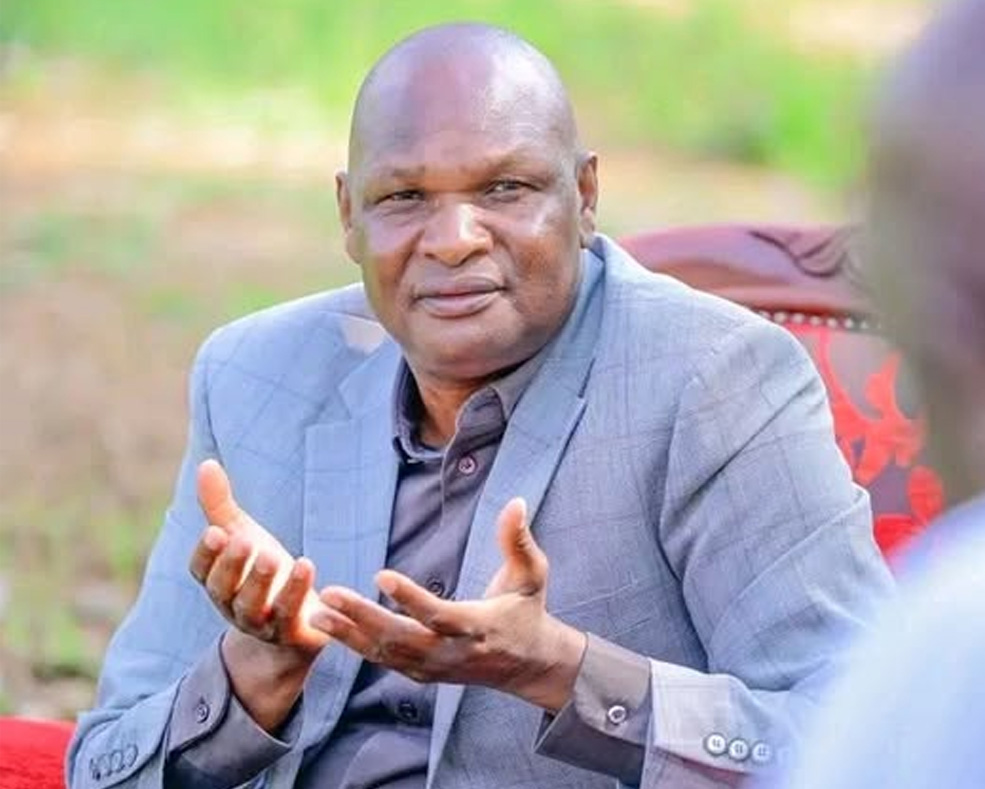
For over two decades, Farouk Teigut Kibet has remained one of the most influential yet least publicly understood figures in Kenya’s political landscape. Though he holds no elective seat, his political relationship to William Ruto has made him a central figure in the country’s power structure — a man many describe as the President’s ultimate gatekeeper.
From the days when Ruto served as Deputy President, Farouk was a constant presence at Harambee Annex and Karen offices. After the 2022 General Election victory, he transitioned seamlessly to the State House, maintaining his role as a trusted aide.
Insiders often describe him as the quiet force who manages access to the Head of State. In political corridors, it is widely believed that securing a meeting with the President often depends on Farouk’s nod.
Observers say he listens more than he speaks, carefully noting alliances, rivalries, and political calculations that shape Kenya’s leadership.
Early Political Roots
Born in Kapkechui-Chepsaita area in Turbo, Uasin Gishu County, Farouk attended Chepkemel Primary School. Those who knew him growing up recall his early fascination with politics, especially during the dominance of Kenya African National Union (KANU) in the region.
By the late 1990s, he was already interacting with prominent Rift Valley leaders such as Mark Too and Reuben Chesire.
The Turning Point: Alliance with Ruto
The year 1997 marked a significant shift. After Ruto defeated Chesire in the Eldoret North parliamentary race, Farouk made a strategic decision to align himself with the youthful politician.
In past interviews, he has explained that the partnership was built on mutual trust — a political covenant that has endured for nearly three decades.
That alliance opened doors for him, including a nomination as councillor in the former Wareng County Council. From there, his influence steadily grew alongside Ruto’s political rise.

Within political circles, Farouk is often described as disciplined, organized, and uncompromising. Allies say his firmness during campaign periods was instrumental in coordinating logistics, rallies, and strategy — especially during the Kenya Kwanza campaigns in 2022.
At a Thanksgiving event in October 2022, several leaders publicly acknowledged his influence. Among them were Rigathi Gachagua, Ndindi Nyoro, and Kipchumba Murkomen, who praised his organizational skills and unwavering loyalty.
Some even joked about his invisible but powerful “office” — a reference to his control over access and scheduling within the presidency.
Compared to “Total Man” Biwott
Political analysts have likened Farouk’s influence to that of the late Nicholas Biwott, the powerful minister during the era of former President Daniel arap Moi. Biwott was famously nicknamed “Total Man” due to his vast control in government circles — a comparison that reflects how some perceive Farouk’s standing today.
Loyalty Above All
Despite shifts within Kenya’s political matrix — including changes in alliances — Farouk’s loyalty to President Ruto has remained consistent.
Supporters argue that his long-standing relationship with the President is built on trust, strategy, and shared political battles stretching back to the late 1990s.
Love him or criticize him, one fact remains clear: Farouk Kibet represents a unique form of influence — power without elective office. And as President Ruto continues to shape his administration, this trusted aide is expected to remain firmly within the inner circle of power.
 Click to Join Our WhatsApp Channel