Landmark Ruling for Foreign Investor in a Greenfield Project of Kwale Sugar.
3 min read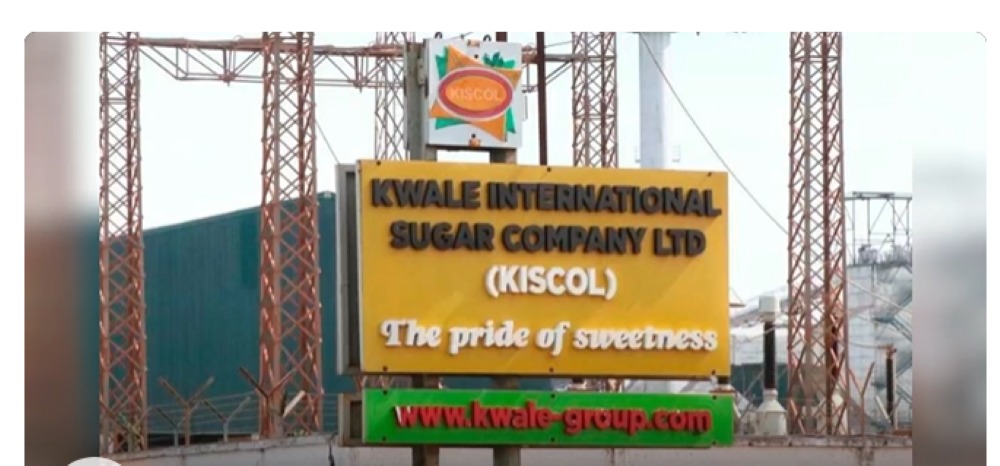
KSh 24 Billion Court Payout to KISCOL Sparks Public Fury as State Declines Appeal
In a historic judgment, Kenya’s High Court has ordered the government to pay KSh 24 billion (approximately $185.6 million) to Kwale International Sugar Company Ltd (KISCOL) for breaching a 2007 land agreement, failing to provide peaceful possession, and obstructing the company’s multibillion-shilling sugar project.
The ruling, delivered by Justice Florence Wangari, marks a significant victory for investor rights and exposes profound government negligence that has sabotaged a key development initiative.
The High Court in Mombasa found that the government failed in its contractual duty to secure the 15,000-acre leased land for KISCOL’s sugar project. Instead of safeguarding the lease, authorities allowed local squatters to occupy parts of the land and even carved out sections for mining activities, notably benefiting Base Titanium. These actions severely crippled the project, leading to massive financial losses for KISCOL.
Justice Wangari emphasized that the government’s neglect to enforce eviction orders and protect the investor’s land rights breached Kenya’s legal obligations. The court concluded that the government’s actions or lack thereof amounted to sabotage of the project, which was set to transform Kwale County’s economy, and was set up in goodwill with the governments assurances.
The KSh 24 billion award encompasses losses incurred from the government’s failure to uphold its contractual commitments. Additional damages are anticipated from accrued interest and legal fees. This ruling not only compensates KISCOL for its losses but also sends a clear warning about the risks posed by government negligence in safeguarding investments.
KISCOL, a joint venture with Mauritius-based Omnicane Limited, initiated the ambitious sugar project in 2007, aiming to boost local agriculture and create jobs. However, from the outset, the company faced resistance as local residents occupied parts of the leased land, claiming ancestral rights. The government’s failure to evict squatters or intervene effectively facilitated deterioration of the situation.
Adding insult, the government allocated part of the land for mineral extraction without compensating KISCOL, further undermining the project’s progress. Over the years, these missteps forced the company into restructuring debts and incurring significant losses.
This landmark ruling underscores the dangers of government neglect and breach of contractual obligations, potentially chilling future investments. It highlights the urgent need for Kenya to strengthen land management, enforce legal protections for investors, and restore confidence in its legal and economic systems.
The court’s decision is a decisive victory for KISCOL and a stark wake-up call to the government. If Kenya is to attract sustainable foreign investment, it must prioritize the enforcement of agreements and protect investor rights.
Failure to do so could cost the nation dearly, both financially and in reputation.
 Click to Join Our WhatsApp Channel