CS Mbadi Explains Increasing Taxes in Finance Bill 2026
2 min read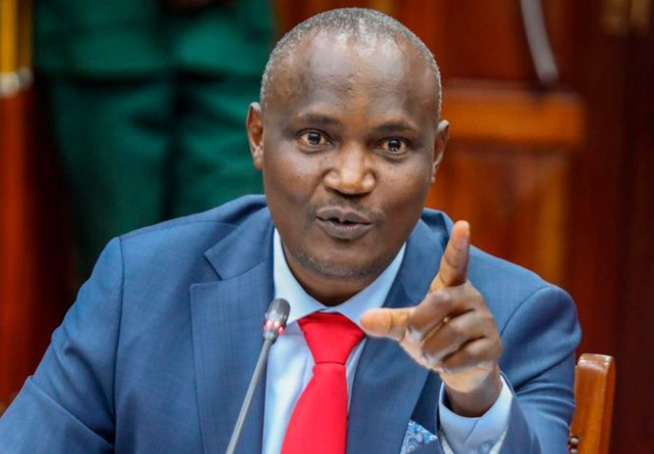
The government has announced that it will not introduce new taxes in the upcoming Finance Bill for the 2026/2027 financial year. Instead, it plans to focus on improving how taxes are collected across the country.
Treasury Cabinet Secretary John Mbadi told the National Assembly’s Budget and Appropriations Committee on Thursday, March 26, that the government wants to boost revenue by strengthening compliance rather than adding more tax burdens on Kenyans.
Focus shifts to better tax collection
Mbadi said the government is now putting pressure on the Kenya Revenue Authority (KRA) to improve efficiency and reduce revenue leakages in different sectors of the economy.
He pointed out that some areas, especially rental income, have not been fully taxed due to weak enforcement and poor tracking systems. The government now plans to improve monitoring in these sectors to increase collection.
According to Mbadi, digitising tax systems will also play a key role in expanding the tax base and ensuring more people and businesses meet their tax obligations without introducing new taxes.
No new taxes in the next Finance Bill
Mbadi clarified that the next Finance Bill will not include new tax measures. Instead, the focus will be on making the existing system work better.
He explained that the government is pushing KRA to widen the tax base, although progress has been slower than expected. If targets are not met, further internal reforms at KRA may be considered.
He also noted that there is a growing gap between how fast taxpayers are adopting digital financial systems and how KRA’s systems are adapting, something the government wants to fix.
Lessons from public resistance
This new approach comes after strong public resistance to previous Finance Bills, where proposed taxes led to protests and public criticism, especially from young people in 2024 and 2025.
The government appears to be avoiding similar backlash by focusing on improving collection instead of introducing new charges.
KRA steps up monitoring
At the same time, KRA has increased scrutiny of mobile money transactions as part of efforts to identify individuals who earn income but still file nil tax returns.
The authority says it is now using financial data to track income patterns and improve compliance. It is also working on pre-filled tax returns, where taxpayer income details are automatically included in the system.
This move is expected to make tax filing easier while also improving transparency and increasing revenue collection.
 Click to Join Our WhatsApp Channel