The Kenya National Examinations Council (KNEC) has launched a new digital system that will help employers, universities and other institutions quickly confirm whether a KCSE certificate is genuine or fake.
The new system was introduced on Wednesday, May 6, during the 3rd Annual Educational Assessment Symposium 2026.
Speaking at the event, KNEC officials said the new technology will make certificate verification faster and safer than the old manual process.
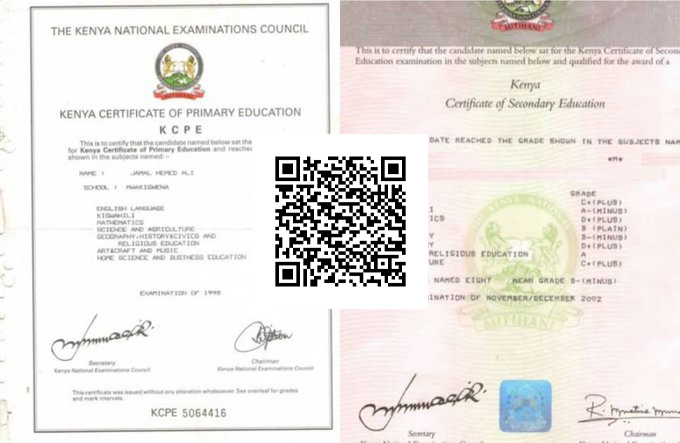
According to KNEC, all KCSE certificates issued from 2023 now contain a special QR code. The QR code stores important student details such as names, index numbers, and grades in an encrypted digital format.
The council explained that the information is protected using AES encryption technology, which is also used by banks, governments, and security agencies around the world to keep data secure.
This means that even if someone takes a photo of the QR code or tries to access it illegally, the information cannot be read without approval from the official KNEC system.
KNEC revealed that the new verification platform is known as TrueCert. The system also includes older certificates, which have already been digitised and secured using blockchain technology.
Officials said the move will help reduce fake academic papers, shorten verification delays, and protect genuine students and institutions.
To verify a KCSE certificate, users such as employers and universities will be required to enter the certificate details into the system and make a payment through eCitizen before receiving an instant authentication report.
There is also a mobile app that users can use after making a payment through eCitizen. Once payment is confirmed, the app scanner becomes active and users can scan the QR code printed on the certificate.
The app then checks the information against KNEC records.
If the certificate details match the official records, the system shows a green signal to confirm the certificate is genuine.
However, if the system shows a red signal, the certificate is considered fake. This may happen if the information has been changed, the digital signature is invalid or the certificate number has been cancelled.
The government has been increasing efforts to fight fake academic certificates in Kenya, especially within public service jobs.
Reports from the Public Service Commission (PSC) and the Ethics and Anti-Corruption Commission (EACC) show that more than 2,000 fake academic and professional certificates have been discovered in public service.
KNEC CEO David Njengere said the new system will help protect the integrity of certificates in Kenya and allow anyone with a smartphone to easily confirm if a KCSE certificate is real.

 Click to Join Our WhatsApp Channel