Ruto’s Strategic Plans Ahead of 2027 General Elections in Kenya
3 min read
As Kenya approaches the 2027 general elections, President William Ruto and his administration are rolling out a series of major policy, economic, and political initiatives that are shaping the country’s direction — and potentially positioning him for reelection. These plans cut across infrastructure, economic transformation, political alliances, and national development, and are seen by many as both governance priorities and strategic moves ahead of the polls.
Massive Infrastructure Agenda
One of the most visible pillars of Ruto’s approach is an ambitious infrastructure push that the government says will transform the economy and improve livelihoods — a key narrative ahead of 2027.
Sh5 Trillion Development Blueprint
In late 2025, Ruto unveiled what has been described as a Sh5 trillion development agenda aimed at boosting infrastructure, energy, transport, and economic competitiveness. The plan seeks to build roads, expand energy capacity, strengthen digital networks, and modernise ports and railways — all integral to Kenya’s long‑term growth goals.

Major Projects in Progress
Several flagship projects are high on the priority list:
-
Rironi–Mau Summit Road and Nairobi–Naivasha expansions aimed at easing congestion and opening up trade corridors.
-
Naivasha–Kisumu–Malaba Standard Gauge Railway (SGR) extensions to integrate Kenya’s logistics network with the wider East African region.
-
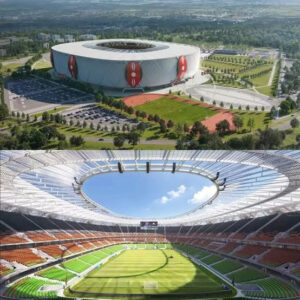
Talanta Sports Complex and the Bomas International Convention Centre completion are planned to position Kenya as a hub for major events, including the 2027 Africa Cup of Nations (AFCON).
-
Large irrigation and water projects like the Galana‑Kulalu dam to expand agricultural output and food security.
These infrastructure efforts are central to Ruto’s narrative of transforming Kenya’s economy and creating jobs — a strong talking point heading into elections.
Political Strategy and Alliances
Beyond development, the political landscape is shifting as Ruto lays the groundwork for the 2027 polls through coalition building and party strengthening.
Building Broad Political Support
Ruto’s United Democratic Alliance (UDA) has been engaging in formal and informal talks with the Orange Democratic Movement (ODM). Leaders from both sides have suggested that collaboration could be key to forming the next government, with organized talks and negotiations underway to solidify the relationship between the two parties.
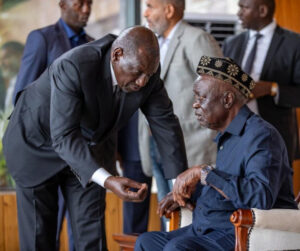
At the Piny Luo Festival in Migori County, Ruto signalled a willingness to work with ODM and urged the party to reinforce its structures for future cooperation — a sign of possible power‑sharing or alliance arrangements.
Social and Economic Policies
Ruto’s plans also include socio‑economic initiatives aimed at youth employment, financial inclusion, and national unity — issues that resonate with many Kenyan voters.
Economic and Social Development
Some of the strategies tied to broader economic transformation include:
-
Expanding access to digital skills and technology hubs as part of the national digital agenda.
-
Strengthening programmes like the Hustler Fund and NYOTA youth initiatives to support small business owners and youth employment.
-
Increasing education and vocational training opportunities to match skills with jobs.
These initiatives are intended to show progress in job creation and economic inclusion, especially among young people — a key voter demographic ahead of 2027.
Handling Opposition and Internal Party Dynamics
Ruto’s approach to the 2027 election battle hasn’t been without internal and external political challenges.
Some lawmakers allied to his Kenya Kwanza coalition have been reshaping their own political strategies and survival plans as the electoral contest draws closer.
Meanwhile, opposition figures such as activist Boniface Mwangi have announced presidential bids, signalling a competitive field.
The Broader Electoral Picture
By incorporating a mix of development, coalition‑building, and youth‑focused economic policies, Ruto appears to be setting the stage for a strong showing in the 2027 general elections. Some of his moves — from infrastructure project launches to political negotiations — are interpreted by observers as both governance actions and strategic election planning. Continued engagement with regional leaders and national stakeholders further highlights this dual purpose.
As by‑elections and grassroots mobilizations continue to shape the political environment, Ruto’s performance and plans will remain under close public scrutiny as Kenya moves closer to the polls.
 Click to join our WhatsApp Channel
Click to join our WhatsApp Channel for real-time news updates.