
Why Luhyas Pass Some Coffins Through a Hole in the Wall Instead of the Door
3 min read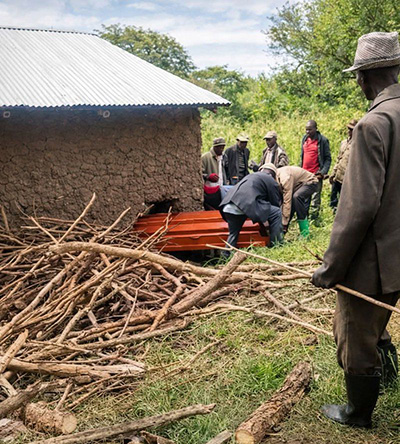
Death happens everywhere in the world, but in some Kenyan communities, certain types of death are treated differently. Among the Luhya community, there is a unique cultural practice where coffins are not always taken out through the door. Instead, a hole is made in the wall of the house.
This practice may look shocking to outsiders, but to the Luhya people, it carries deep meaning and tradition.
Why the Wall Is Broken
In cases where death is considered unusual or “taboo,” elders may decide that the body should not leave through the normal doorway. Instead, they break part of the wall and pass the coffin through that opening.
This is not done out of disrespect. It is believed to protect the living.
According to cultural beliefs, some deaths disturb the natural order of life. These include sudden deaths, violent incidents, or deaths surrounded by confusion. In such situations, the spirit of the deceased is believed to be restless.
Passing the coffin through the door—the same path used by the living—is thought to allow the spirit to return home. To prevent this, a new exit is created through the wall, and the opening is later sealed.
Types of Deaths That Require This Ritual
This tradition is mostly observed among Luhya sub-tribes such as Bukusu, Tachoni, and Kabras. It is usually carried out in special cases, including:
- Sudden or unexplained deaths
- Deaths caused by violence
- Situations surrounded by uncertainty or fear
In such moments, elders act quickly to separate the dead from the living through rituals.
When a Parent Dies in a Child’s House
Another situation that may require this practice is when a parent dies in their child’s home.
Traditionally, parents are expected to spend their final days in their own homes. Dying in a child’s house is seen as going against the natural order.
Because of this belief, elders may perform rituals, including passing the coffin through the wall, to “correct” the situation.
Complicated Relationships and Cultural Beliefs
Relationships can also influence how burial rituals are carried out.
For example, if a man dies in a house that does not belong to him—such as a widow’s home he moved into after her husband died—his presence may be seen as culturally unacceptable.
The same applies in sensitive cases, such as when a secret lover dies in a married woman’s house. These situations are often surrounded by secrecy and tension, and special rituals may be performed.

Death Without a Family
If an adult dies without a spouse or children, the death may be viewed as incomplete in traditional terms.
In some cases, additional rituals are carried out to reflect the belief that the person did not fulfil expected social roles.
Who Performs the Rituals?
These cultural practices are not handled by the immediate family alone.
Maternal uncles often take charge of the process. Their role is important because they bring cultural authority and help ensure that traditions are followed correctly.
What Happens After the Coffin Is Removed
Once the coffin is passed through the wall, the opening is quickly closed. In some cases, the house may even be abandoned.
This is because the home is believed to have been spiritually affected by the death.
Mixed Reactions from Kenyans
While many people respect these traditions, others question them, especially in modern times.
Some Kenyans say the practices are important for preserving culture, while others feel they are outdated and should be abandoned.
For example, during the burial of former politician Cyrus Jirongo, there was a disagreement between elders and leaders over whether to follow certain traditional rituals. Some leaders opposed the practices, saying they could confuse the family and disrupt the burial process.
 Click to Join Our WhatsApp Channel