Clubs, Salons, Matatus to Pay Annual Fees for Local Music
3 min read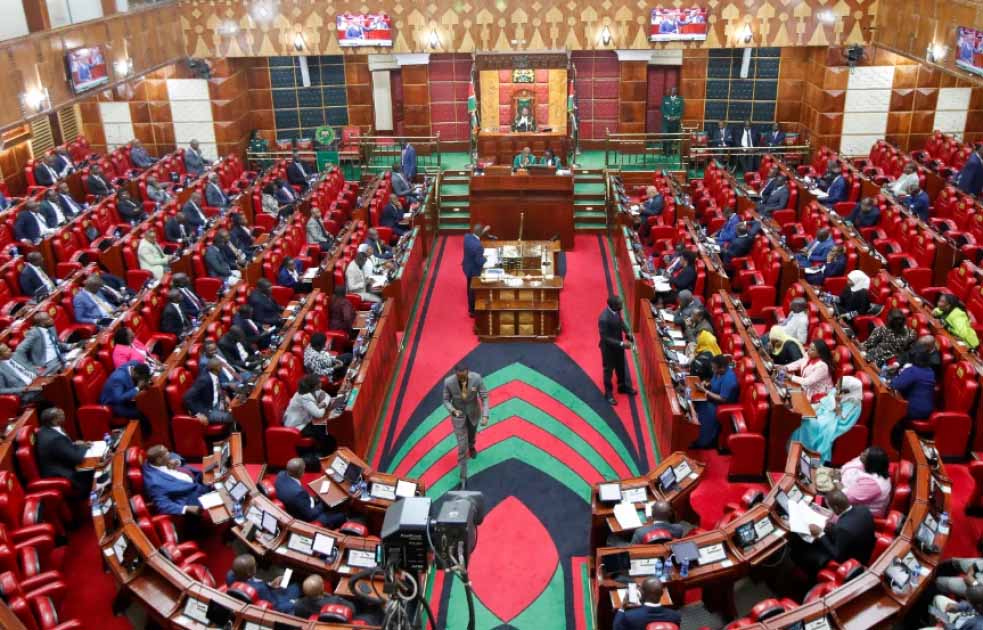
MPs have raised fresh concerns over new proposed annual charges for businesses and public service operators that play music in Kenya.
The new rules, which are expected to apply between 2026 and 2028, would require places such as clubs, salons, matatus, hotels, restaurants and even some small businesses to pay yearly fees for playing local music and audio-visual content.
The matter was discussed by the National Assembly Committee on Delegated Legislation, led by Ainabkoi MP Samuel Chepkonga.
The committee warned that the new charges could face legal challenges and also add more financial pressure on Kenyans and small business owners.
The discussion comes after an earlier court ruling in 2025, where the High Court cancelled similar music charges after finding that there was not enough public participation.
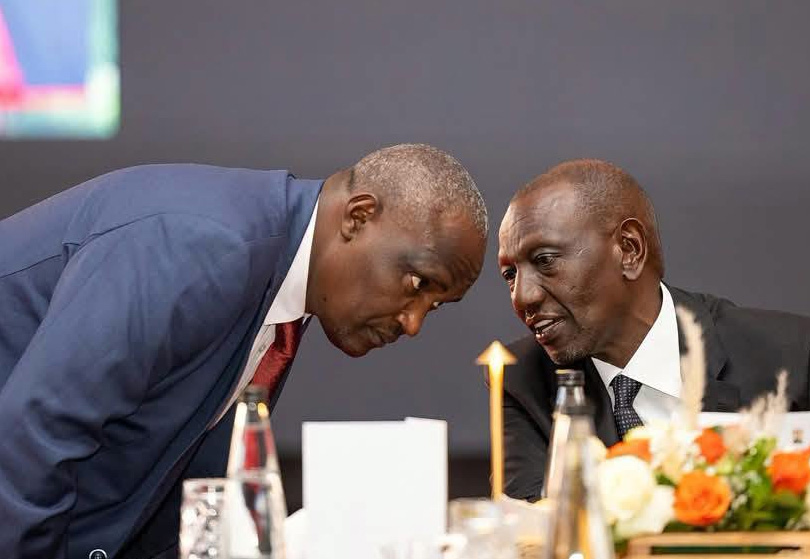
During the meeting, Cabinet Secretary Salim Mvurya defended the proposed charges, saying the main aim is to ensure that Kenyan musicians and other creatives earn money whenever their work is used.
According to the CS, the money collected will go directly to artists and copyright holders and not to the government.
Mvurya also responded to concerns over a proposed Ksh 100,000 annual fee for Parliament events, saying paying a fixed amount yearly is cheaper than paying royalties every time music is played during events.
However, MPs said several issues still need to be addressed.
Chepkonga noted that the draft rules do not clearly explain how the law will be enforced or what penalties will be given to those who fail to pay.
He said the ministry must also involve more Kenyans and stakeholders to avoid another court case.
Garissa Town MP Dekow Barrow questioned why hospitals had been included among institutions expected to pay the charges.
He asked whether hospitals really use music in a way that should require licensing fees.
The MP also sought clarity on how royalties for international artists will be handled when their music is played in Kenya.
The ministry said talks with global rights organisations are still ongoing.
Nyando MP Jared Okello also criticised the public participation process, saying only 62 people were involved.
He said that number is too small to represent the views of the entire country.
Okello further warned that the proposed Ksh 500,000 charge for using music in presidential campaigns could affect fair political competition.
Keiyo South MP Gideon Kimaiyo added that the new charges have already caused concern among small traders.
He said businesses such as salons and barbershops may be forced to pay up to Ksh 5,000 per year, which could be too expensive for many operators.
Under the new proposed framework by the Kenya Copyright Board, DJs may pay Ksh 30,000 annually or Ksh 1,000 per event.
Media houses will also be required to remit a percentage of their net revenue.
Nightclubs, hotels, restaurants, Airbnb operators and retail businesses are also expected to pay different amounts depending on their size and operations.
The committee has now directed the ministry to provide proof of wider consultations with affected sectors and revise the draft regulations before bringing them back to Parliament.
 Click to Join Our WhatsApp Channel