Experts Report 85% of Buildings in Nairobi Risk Collapsing, Pipeline and Eastlando Included
2 min read
Experts Report 85% of Buildings in Nairobi Risk Collapsing, Pipeline and Eastlands Included
Construction experts have raised serious concerns about the safety of buildings across Nairobi, warning that the majority of structures in the city may not be fit for occupation. This comes in the wake of the recent collapse of a 16-storey residential building in South C, which has renewed calls for accountability within the construction sector.
Professionals drawn from bodies such as the Institution of Engineers of Kenya (IEK), the Architectural Association of Kenya (AAK), the Architects Alliance (TAA), and the Kenya Institute of Planners (KIP) are now demanding a swift and thorough investigation into the incident. They insist that all individuals involved in approving additional floors on the collapsed building must be held responsible.
According to the experts, building safety failures often begin at the planning and approval stages. They argue that developers, consultants, and contractors each have a duty to ensure structures meet safety standards from the foundation upwards.
TAA President Sylvia Kasanga noted that developers are responsible for hiring qualified consultants, while contractors must follow proper construction procedures and obtain all necessary approvals. Any failure at these stages, she said, puts lives at risk.
IEK President Shammah Kiteme questioned the accountability of professionals involved, asking whether the structural engineer listed in official records was the same one supervising work on the ground. He described the situation as a systemic failure that could have been largely avoided.
AAK President George Ndede explained that adding extra floors to a building is not a simple decision driven by demand for space. He stressed that such decisions must be based on engineering calculations done at the foundation stage, warning that unsupported additions significantly weaken structures.
The professionals blamed corruption and greed for many of the construction flaws seen across the city. They called on the National Construction Authority (NCA) to publicly blacklist contractors and developers found to have violated safety standards.
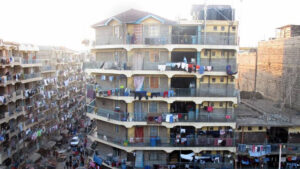
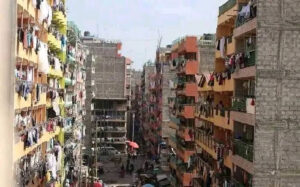
More alarmingly, the experts revealed that unsafe buildings are widespread in Nairobi. A recent assessment of about 15,000 buildings showed that only 15 percent met safety requirements, meaning roughly 85 percent were considered unsafe for habitation. Areas such as Pipeline and Eastlands were mentioned among zones facing high risk.
Ndede further warned that even a minor earth tremor could cause widespread destruction due to poor building quality. He added that signs such as needing artificial lighting during the day or having exposed sewer lines near residential buildings are indicators of deeper structural and planning problems.
The experts are now urging authorities to act decisively to prevent future tragedies, warning that failure to enforce building standards could lead to more deadly collapses.
 Click to Join Our WhatsApp Channel