Fuel Prices May Rise Sharply to Ksh231.68 Amid Global Oil Pressure
3 min read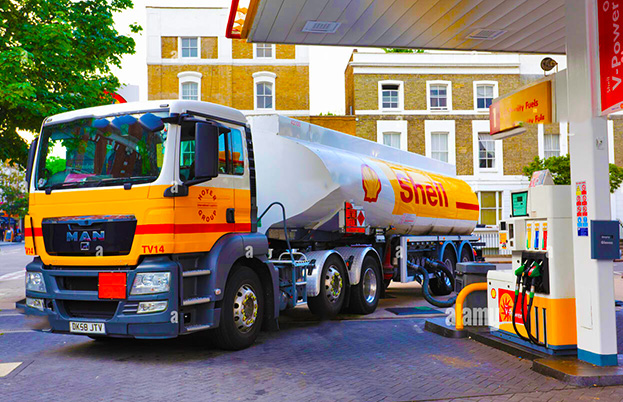
Kenyans could soon face a sharp increase in fuel prices, with petrol expected to rise to about KSh231.68 per litre in the next pricing cycle. The increase is linked to rising global oil prices and local supply pressures.
Expected Fuel Price Increase in April Review
The Petroleum Outlets Association of Kenya (POAK) has warned that fuel prices could rise by between Ksh30 and Ksh60 in the next review scheduled for April 14.
POAK Chair Martin Chomba said the projections are based on the average cost of fuel shipments that arrived at the Port of Mombasa between March 9 and April 10.
He added that current stable fuel prices may only be temporary.
Chomba explained that most fuel currently being sold in Kenya was imported about a month ago, before the recent rise in global oil prices.
He also noted that regional trends are affecting Kenya’s market. For example, Tanzania recently increased fuel prices by more than 30%.
According to him, if Kenya follows a similar trend, petrol prices could rise by about KSh53.4 per litre.
Warning Over Possible Fuel Shortages
Chomba warned that Kenya may face fuel shortages if price adjustments are delayed.
He said the country does not have enough fuel reserves and depends heavily on continuous imports through the Port of Mombasa.
He added that any delay in shipments could quickly lead to supply problems.
Government Response on Fuel Prices
Government Spokesperson Isaac Mwaura said there are currently no plans to increase fuel prices in the next review.
He explained that the government already has fuel consignments in place and is closely monitoring the situation.
He added that April fuel shipments have already arrived, helping to stabilise supply for now.
Some fuel retailers, especially in rural areas, are reporting delays in fuel supply.
These smaller stations make up a large percentage of fuel outlets in Kenya, but many are struggling to access enough stock.
In some areas, like Kirinyaga, fuel is available in storage depots but has not yet reached petrol stations.
Concerns Over Fuel Storage and Ownership
According to POAK, fuel imported into Kenya is stored in depots managed by the Kenya Pipeline Company and other government facilities.
However, the fuel remains owned by private importers until duties and taxes are fully cleared by the Kenya Revenue Authority.
This process can take several days before fuel is released to retailers.
Quality Concerns on Imported Fuel
There are also concerns about the quality of some fuel imports.
Some reports suggest that certain shipments may contain higher sulphur levels than required standards.
While still usable, such fuel may not fully meet national quality expectations and could affect vehicle performance.
Although the government can use the Petroleum Development Levy to cushion consumers, experts say global oil prices and import costs will still determine the final pump prices.
Kenyans are advised to stay alert as the next fuel price review approaches.
 Click to Join Our WhatsApp Channel