Kenya to Borrow $969 Million for Road Projects, Plans Fuel Levy to Repay Debt
2 min read
Kenya’s government is preparing to borrow about $969 million (approximately KSh125 billion) through short-term syndicated loans to revive stalled road construction projects across the country.
The move comes at a time when the government is facing increasing pressure on public finances, forcing it to look for alternative ways to fund key infrastructure projects without relying heavily on long-term borrowing.
The planned borrowing is intended to address funding shortages that have slowed down several highway and transport projects. By securing short-term loans, the government hopes to keep major road works running while it explores more sustainable financing options.
Officials say the loans will serve as temporary funding, allowing the government to maintain progress on critical infrastructure despite limited budget allocations.
The short-term loans are expected to be refinanced later through the issuance of long-term infrastructure bonds. These bonds are likely to be backed by revenue from the fuel levy, providing a steady source of income for debt repayment.

Using fuel levy revenue as security is seen as a strategy to attract investors and reduce concerns about Kenya’s rising debt levels.
The loans are also expected to include both local and foreign currency components, which could help diversify funding sources and manage exchange rate risks.
Kenya’s road sector has faced ongoing financial constraints, leading to delayed payments to contractors and halted construction works in several regions.
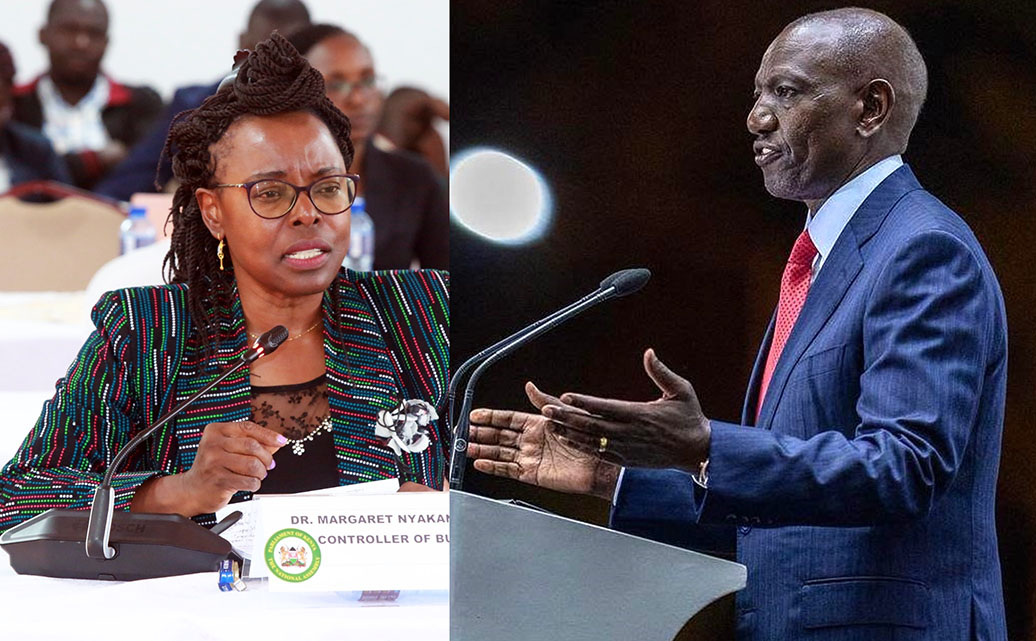
Road infrastructure remains a key pillar of President William Ruto’s economic agenda, as improved highways are considered vital for reducing transport costs, supporting trade, and strengthening regional connectivity in East Africa.
However, rising interest rates and limited government revenue have made it difficult to fund large-scale projects directly from the national budget.
Growing Pressure on Public Finances
The decision to rely on short-term borrowing reflects the broader challenges facing Kenya’s public finance system.
In 2024, proposed tax increases triggered nationwide protests, forcing the government to revise parts of its finance bill and slowing efforts to increase domestic revenue.
At the same time, Kenya’s public debt has continued to rise, standing at around 70 percent of GDP, according to official data. This has pushed the government to prioritise refinancing strategies and revenue-backed financing rather than new long-term external loans.
 Click to Join Our WhatsApp Channel