City Landlord Samuel Karanja Jailed 7 Years Over Death of 52 Tenants
2 min read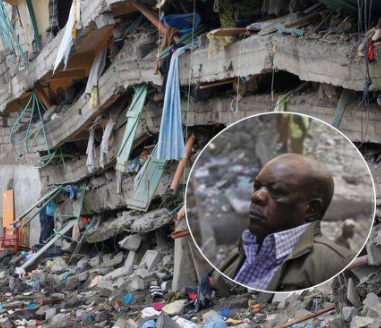
A Nairobi court has sentenced landlord Samuel Kamau Karanja to seven years in prison following the tragic collapse of a residential building in Huruma that claimed 52 lives.
The building, located in Ngei II Estate, collapsed in 2016, leaving dozens of families devastated. After years of legal proceedings, the court found Karanja guilty of multiple offences linked to the disaster.
The court ruled that Karanja acted recklessly and ignored several warnings about the safety of the building. Reports showed that the structure had visible cracks before it collapsed, but no proper action was taken to protect the tenants.
According to the magistrate, the landlord failed to take responsibility even after being warned about the danger.
“The accused did nothing to protect the lives of the tenants despite being alerted,” the court said.
Investigations revealed that the building was constructed illegally. It was built on riparian land, very close to a river, which is against the law. The structure also lacked proper approvals from relevant authorities and did not meet safety standards.
The court confirmed that Karanja: Built without official approval, Occupied public land illegally, Ignored building regulations, Failed to follow safety requirements
Because of these violations, the court found him fully responsible for the deaths.
Karanja was convicted on 31 counts of manslaughter, each carrying a seven-year sentence. However, all sentences will run at the same time, meaning he will serve seven years in prison.
He also received: Five years for constructing without approval, and three years for illegal occupation of public land.
The court considered his age and health but still ruled that a prison sentence was necessary.
During the trial, Karanja denied owning the building. However, several witnesses proved otherwise.
A government surveyor confirmed that the building stood on a riparian reserve. Local administration officials also testified that Karanja threatened them when they tried to stop the construction.
Tenants said they had seen him managing the property, while a Kenya Power official confirmed he approved electricity connections for the building.
Evidence presented in court showed that cracks had appeared in the building before it collapsed. The caretaker informed Karanja, but instead of fixing the problem properly, he only applied cement to cover the cracks.
 Click to Join Our WhatsApp Channel