Concern Grows Over 520-Acre Israeli Farming Project in Solai
2 min read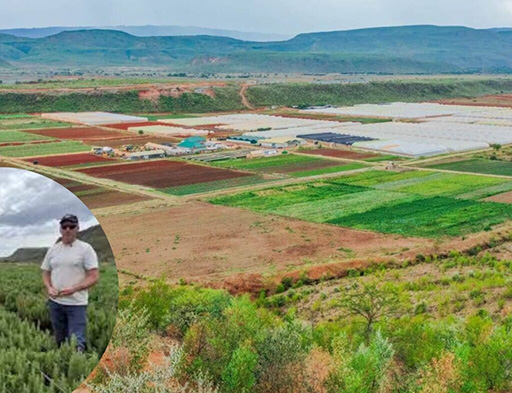
A major 520-acre farming and housing project in Solai, Nakuru County, has sparked widespread debate across Kenya. The project is linked to Israeli investor Erez Rivkin and features extensive greenhouse structures, irrigation systems, and plans for modern agricultural production.
In a video that has circulated online, Rivkin shared his vision for the land, highlighting large-scale food production and proposed youth exchange programs between Kenyan and Israeli students.
At face value, the initiative appears to support development. Kenya has a long history of working with Israeli agricultural specialists, especially in areas such as drip irrigation and greenhouse farming. Supporters of the Solai project say the investment could create employment, transfer valuable farming skills, and boost crop yields in the region.
However, land ownership remains a sensitive issue in Kenya.
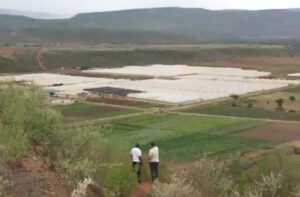
Some critics online have compared the project to a kibbutz-style settlement similar to communal farms in Israel. Much of the concern is influenced by the long-running Palestine conflict, where historical land disputes continue to shape public opinion. Because of that history, any large foreign-controlled land project in Kenya tends to attract scrutiny and suspicion.
There have also been questions raised about the timing of the land acquisition, particularly following the 2018 Solai dam disaster that resulted in deaths and displacement of families. Nevertheless, official investigations previously linked the tragedy to heavy rainfall and structural failure, not to land ownership changes.
According to the Constitution of Kenya, foreigners are not allowed to own freehold land but can legally lease property for up to 99 years. While the Solai project may meet legal requirements, public perception and transparency remain key factors.
The future of the 520-acre Solai development will likely depend on how openly the project engages local communities and complies with Kenyan laws. For now, it stands as either a potential model of agricultural partnership or a source of continued public concern.
 Click to Join Our WhatsApp Channel