
How 6 Kenyans Used Fake Emails to Steal KSh 96 Million from US Universities
2 min read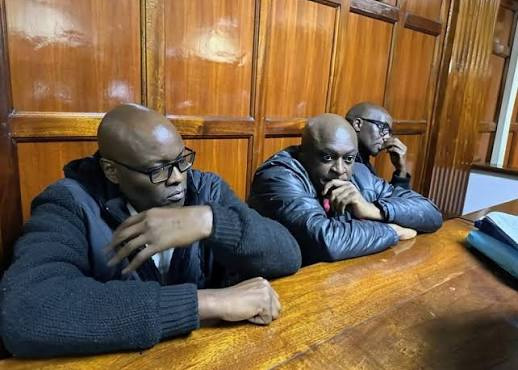
The United States has asked Kenya to extradite six Kenyan nationals accused of taking part in an online fraud scheme that allegedly stole more than KSh 96 million from American universities and government agencies.
According to court documents, the suspects are:
- Elvis Omari Obaigwa
- Francis Mobisa Asanyo
- Peter Omari
- Linus Karani
- Bernard Morara Osoro
- Godfrey Julius Mbogori
The six are wanted in the US, where they are expected to face criminal charges before a federal court in the Eastern District of Virginia.
How the Alleged Fraud Was Carried Out
US investigators claim the suspects created fake internet domains that closely resembled those used by genuine organisations.
Using these fake email addresses, they allegedly contacted employees at universities and government institutions, pretending to be legitimate officials. The victims were then instructed to send payments to different bank accounts controlled by the fraud network.
Authorities say the money was first received by people based in the United States before it was transferred and allegedly laundered through other financial channels.
This type of cybercrime is commonly known as Business Email Compromise (BEC), where criminals use fake emails to trick organisations into sending money to the wrong accounts.
Extradition Case Before Kenyan Courts
The extradition case is currently being handled in Nairobi.
A magistrate ordered Elvis Omari Obaigwa, Francis Mobisa Asanyo and Peter Omari to remain in custody for 14 days as authorities continue processing the extradition request.
The court had not confirmed the whereabouts of the other three suspects at the time of the proceedings.
Charges Facing the Suspects
If extradited to the United States, the six men are expected to face several charges, including:
- Conspiracy to commit computer-related offences
- Wire fraud conspiracy
- Aggravated identity theft
If convicted, the offences carry lengthy prison sentences under US law.
What Happens Next?
Kenyan courts will first determine whether the extradition request meets the legal requirements under Kenya’s laws and the extradition agreement between Kenya and the United States.
The hearing is not meant to decide whether the suspects are guilty or innocent. Instead, the court will decide whether they should be handed over to US authorities to stand trial.
The six suspects remain presumed innocent unless proven guilty in court.
 Click to Join Our WhatsApp Channel