
Sakaja Secures KSh 80B for Nairobi After Ruto’s Collaboration Pact
2 min read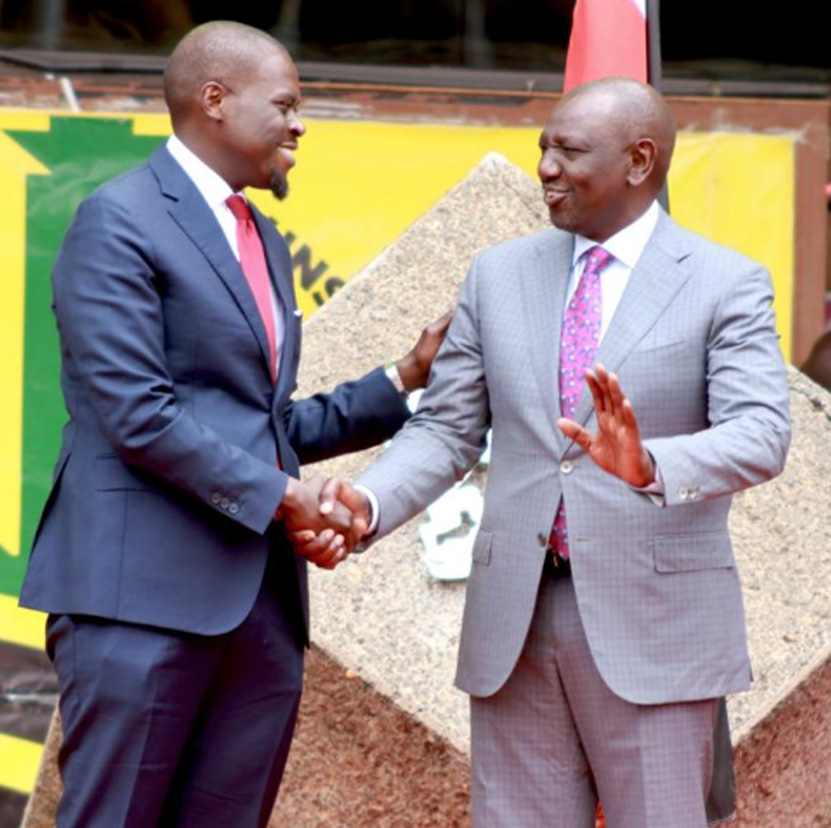
Nairobi City County Governor Sakaja Johnson has secured an additional KSh 80 billion following the signing of a major collaboration agreement with the National Government. The agreement, finalized in the presence of President William Ruto, is among the largest capital-focused financing initiatives since the start of devolution and is expected to unlock billions more for Nairobi’s urban development projects.
The new framework outlines joint efforts in key areas such as infrastructure improvement, waste management, urban mobility, and essential public services. It is designed to strengthen Nairobi’s fiscal capacity while enhancing cooperation between national and county authorities.
Signed under Section 6 of the Urban Areas and Cities Act, the pact provides a formal mechanism for collaboration between the two levels of government. Prime Cabinet Secretary Musalia Mudavadi signed on behalf of the National Government, while Governor Sakaja represented Nairobi City County. Leaders described the agreement as a long-awaited step in modernizing the governance and financing of Kenya’s capital city.
President Ruto reassured the public that the deal does not involve transferring county functions to the national government. “This agreement is purely cooperative and financial. The Governor and his team continue to run the city, while the national government supports its development,” he said.
Governor Sakaja emphasized that the framework differs from previous arrangements. “This is not a takeover. It is a collaboration aimed at securing more funds to complete key projects and strengthen Nairobi’s development capacity,” he noted.
The partnership comes 13 years after the start of devolution, but leaders insist it is essential to unlock stalled investments and fund critical infrastructure projects. It represents the first capital-specific intergovernmental agreement of this scale since 2013, marking a defining moment in Kenya’s urban governance.
Sakaja described the agreement as a lawful and fiscally responsible response to Nairobi’s long-standing budget challenges. Both leaders highlighted that the pact respects devolved authority while promoting structured coordination and financial alignment between national and county governments.
 Click to Join Our WhatsApp Channel